
Building Science 101: The Moisture, Asbestos & Radon Risks Hiding Behind Your Walls
By Afroz Shaik, Founder, AM Builders | September 28, 2026 | 7 min read
Quick Answer
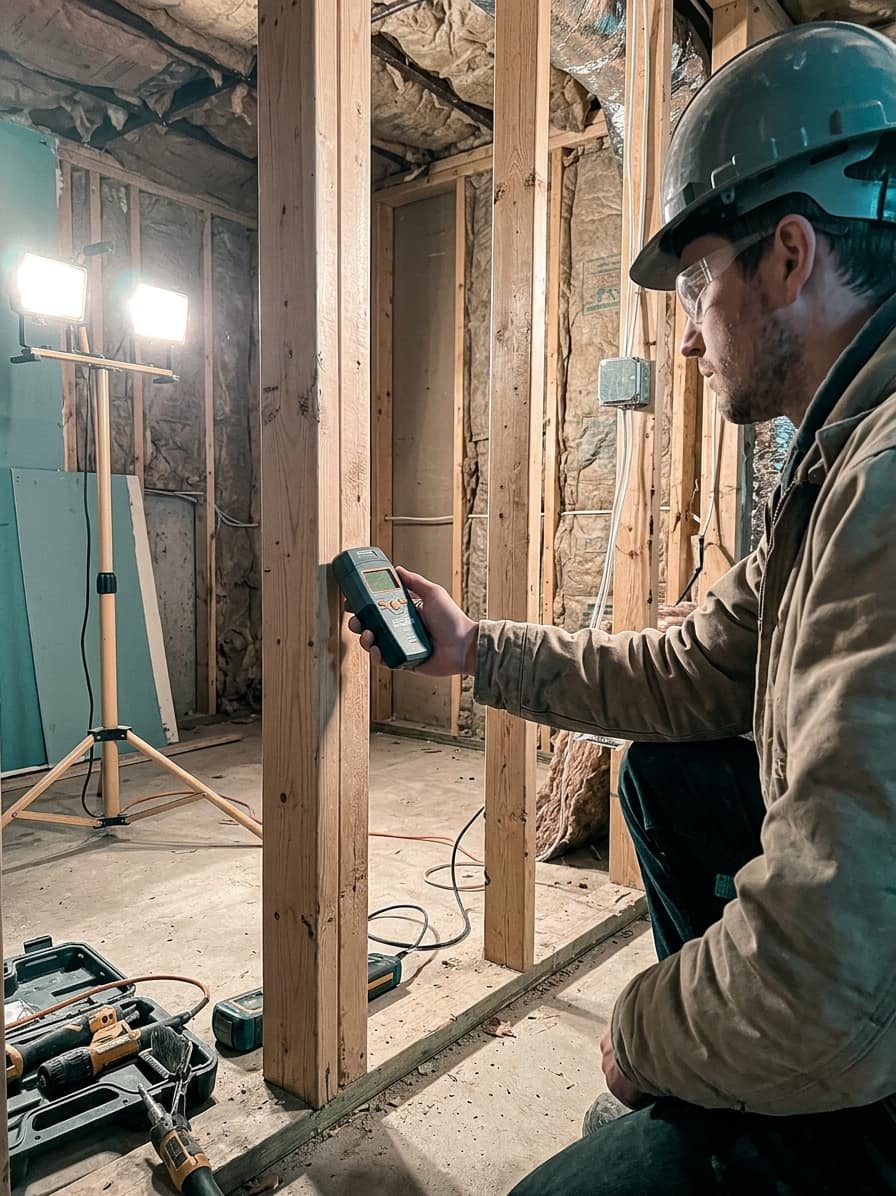
Before finishing a basement or renovating an older home in Calgary, Airdrie, Chestermere, or Cochrane, confirm: (1) a vapour barrier and ventilation plan that meets Alberta Building Code, (2) asbestos and vermiculite testing on any pre-1990 home before demolition, (3) whether radon mitigation should be roughed in, (4) WETT certification for any work touching a fireplace or wood stove, and (5) insulation values that meet current energy code minimums.
- These issues don't announce themselves during construction — they show up as symptoms months or years later.
- A contractor who can speak fluently about all five, unprompted, has done this before.
1. Moisture Management & Mold Prevention
Basements are naturally colder and more prone to condensation than the rest of the house, which means vapour barrier placement and ventilation aren't optional details — they're what determines whether a finished basement stays dry or grows mold behind the drywall within a couple of years.
Tip
A finished basement without a ventilation plan is just a mold problem with better lighting.
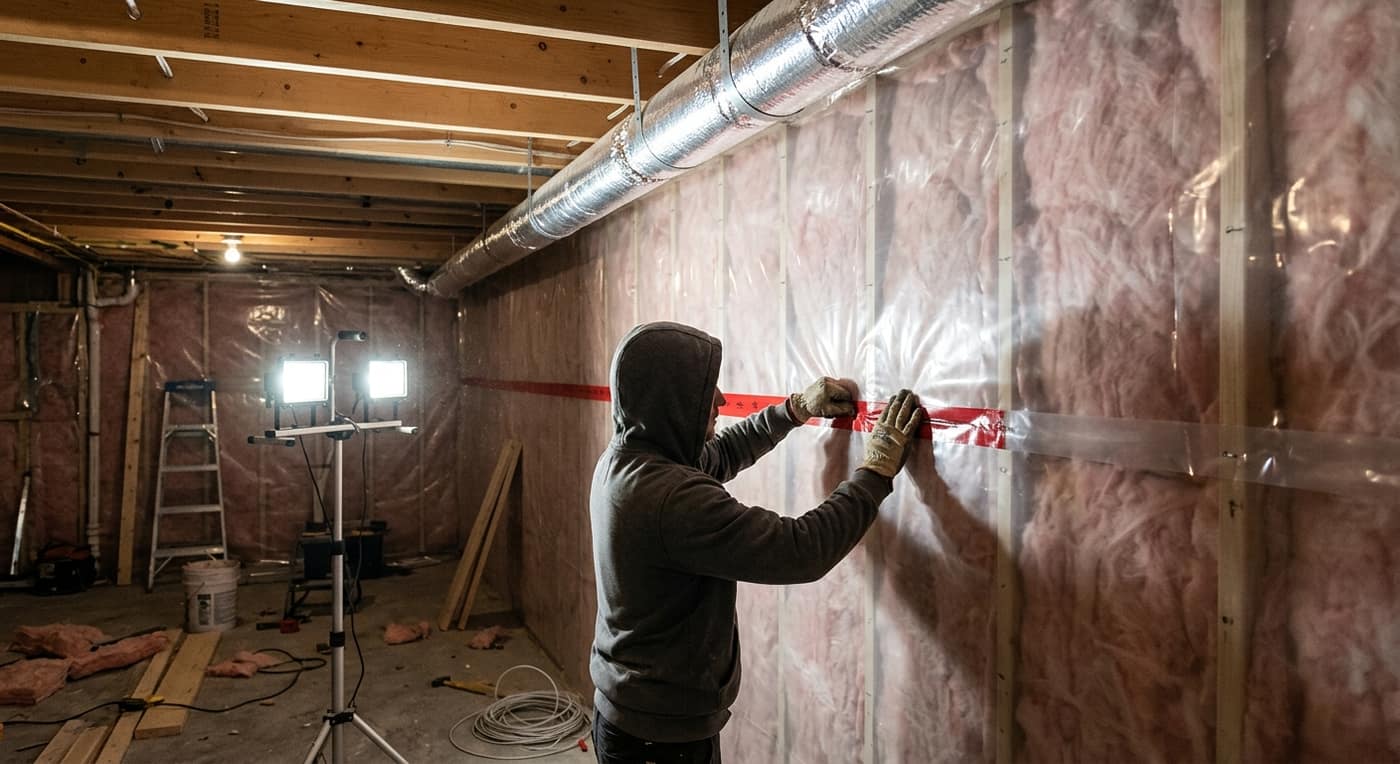
Ask specifically how vapour barrier will be detailed around windows and rim joists, and whether an HRV or other ventilation is part of the plan for a fully enclosed basement. Interior moisture problems are frequently traced back to exterior issues, so it's worth revisiting grading and drainage away from the foundation at the same time — treating the symptom inside without fixing the cause outside rarely holds up.
Tip
Poly and paint can hide a moisture problem for a while — they can't fix one.
2. Asbestos & Vermiculite (Pre-1990 Homes)
Many homes built before roughly 1990 in the Calgary area contain materials that can include asbestos — popcorn ceiling texture, vermiculite (Zonolite) insulation, old flooring, and pipe wrap are common culprits — and disturbing them without testing first is a genuine health hazard, not just a regulatory box to check.
Tip
Asbestos doesn't care how confident your contractor sounds — it cares whether it was tested for.
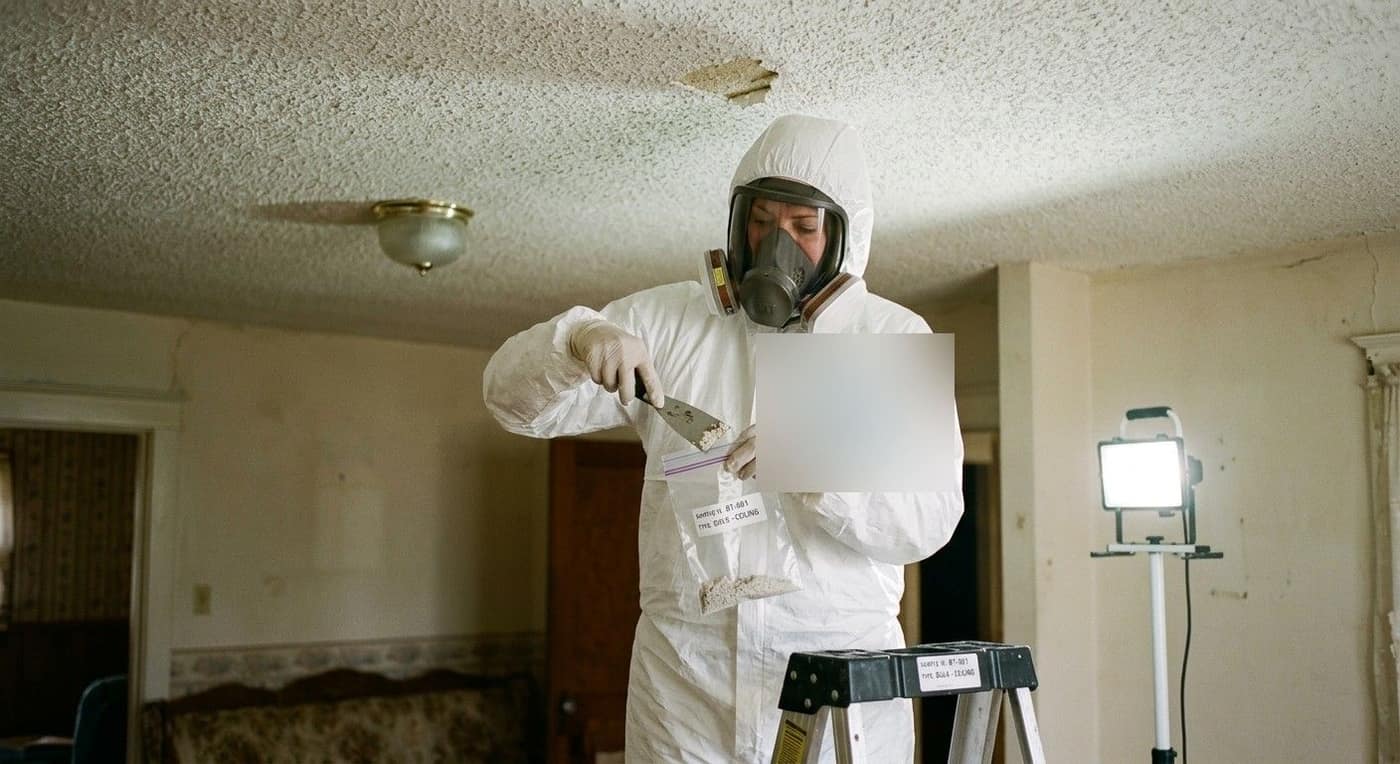
For any pre-1990 home, ask for third-party asbestos and vermiculite testing before demolition starts — not after. This should happen in the same breath as confirming the project is properly permitted, since many municipalities require test results before a demolition permit is issued in the first place.
Tip
"It's probably fine" is not a sentence that belongs anywhere near a pre-1990 ceiling.
3. Radon Mitigation
Radon is an odourless, invisible gas that can accumulate in basements at levels above Health Canada's guideline — and Alberta has some of the higher average readings in the country. It affects old and new homes alike, regardless of how well-built the rest of the house is.
Tip
Radon doesn't care about your home's age, price, or curb appeal — only its foundation and ventilation.
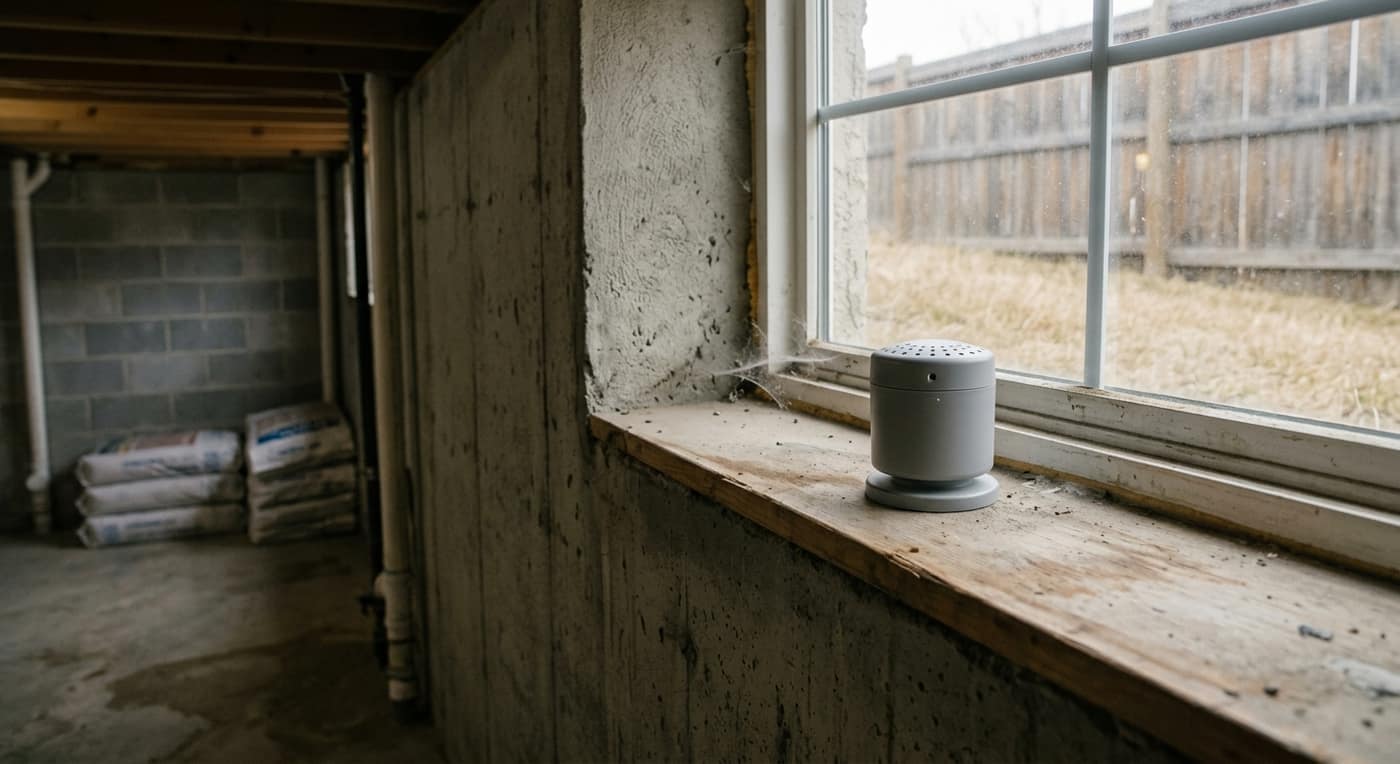
Ask whether a sub-slab depressurization rough-in makes sense for your project — basement development and new construction are the easiest and cheapest time to add this, long before finishing is complete. It's also worth asking how this ties into whether Alberta New Home Warranty coverage applies, since some structural and building envelope claims intersect with air quality and moisture issues.
Tip
Roughing in radon mitigation during construction costs a fraction of retrofitting it later.
4. WETT Certification for Wood-Burning Appliances
Any work touching a fireplace, wood stove, or chimney should involve a WETT (Wood Energy Technology Transfer) certified inspector or installer — this isn't a nice-to-have credential, it's frequently a requirement for home insurance coverage on the appliance itself.
Tip
An uncertified fireplace installation can quietly become an uninsured one.
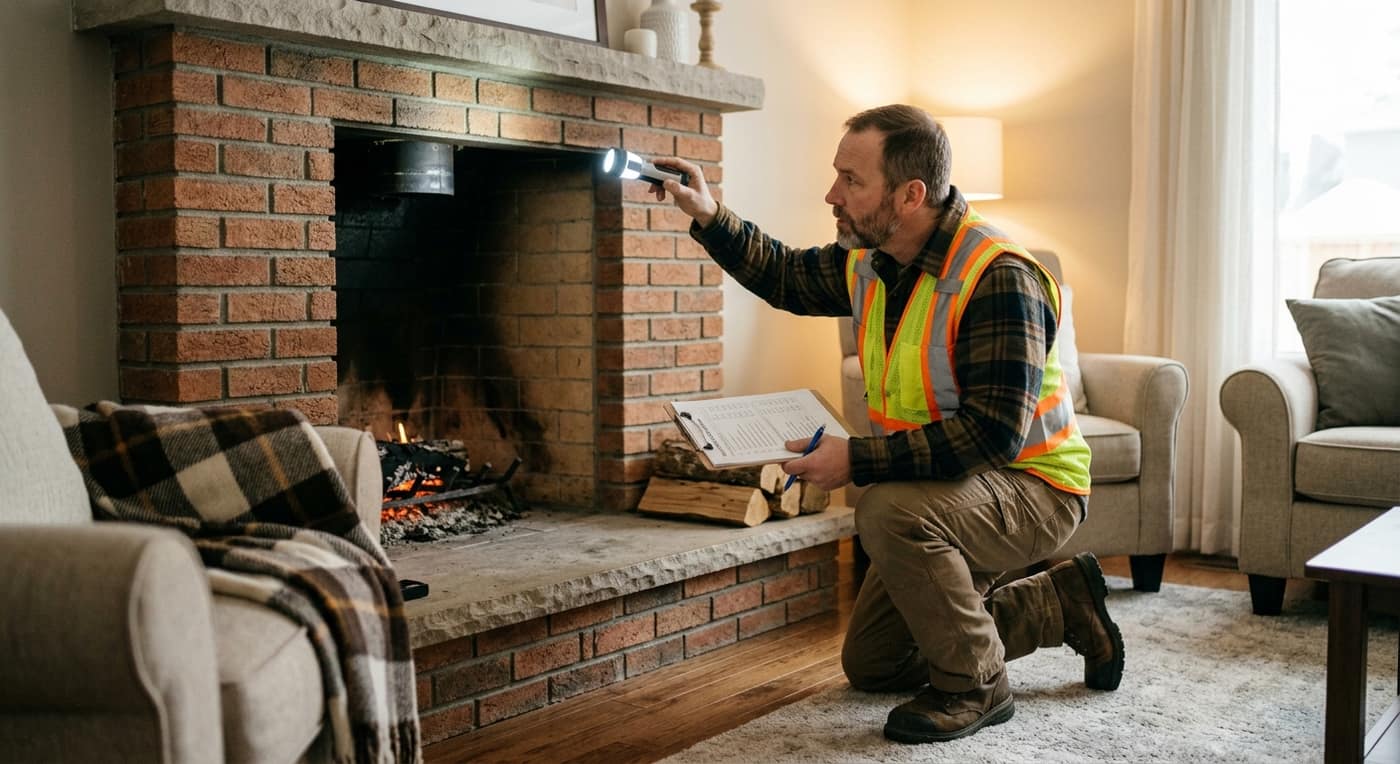
Ask for the WETT certificate number of whoever is doing the work, and request a copy of the inspection report for your insurance file. This falls under the same licensed trades principle that applies to electrical, plumbing, and gas work — specialized systems need specialized, verifiable credentials, not general contracting experience.
Tip
Your home insurance policy will ask for the WETT certificate eventually — get it while the work is happening, not after a claim.
5. Energy Code & Insulation Requirements
Alberta Building Code sets minimum insulation (RSI) values and air-tightness targets that get updated periodically, and a contractor working from an older project's specs or an outdated code reference can leave a renovation short of current requirements without anyone noticing until inspection.
Tip
"Whatever was there before" is not an insulation spec — it's a guess wearing a fiberglass costume.
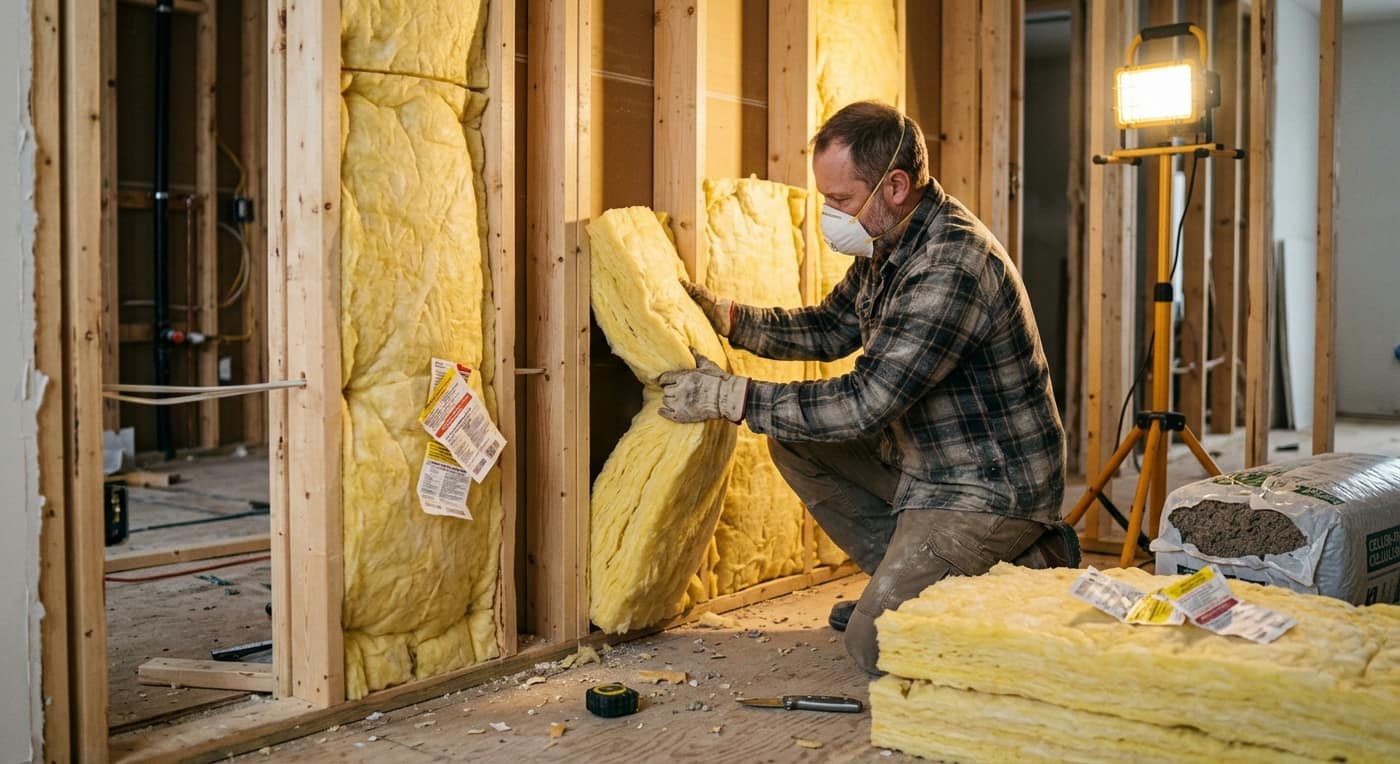
Ask what insulation values are being used and whether they're checked against the current Alberta Building Code edition, not a project from a few years ago. Since energy code changes and scope changes often surface together mid-project, it's worth having a clear change order process agreed on up front so upgrading insulation to meet code doesn't become a pricing dispute later.
Tip
Meeting code isn't negotiable — but how the cost gets handled should be agreed on before it comes up.
Don't Sign Anything Until You've Checked These 27 Boxes
Building science is just one of seven categories in our full contractor vetting checklist. Get the complete, free guide — or talk to a team that already builds this way.
AM Builders — Basement Development, Home Renovations, New Home Construction & Commercial Construction across Calgary, Airdrie, Chestermere & Cochrane.
This article is for general educational purposes and reflects common Alberta building science considerations as of September 2026. It is not health, engineering, or legal advice. Always confirm testing, mitigation, and code requirements with qualified professionals and your municipality before renovation work begins.
Frequently Asked Questions
How do I know if my basement renovation needs a vapour barrier and ventilation plan?
Any basement development in Alberta that finishes walls and ceilings needs a vapour barrier and ventilation strategy that meets Alberta Building Code, since basements are naturally colder and more prone to condensation than above-grade spaces. Ask your contractor specifically how they'll manage vapour barrier placement and whether an HRV or other ventilation is included, especially if the basement will be fully enclosed.
Do I need to test for asbestos before renovating an older Calgary home?
Yes, for most homes built before roughly 1990. Materials like popcorn ceiling texture, vermiculite (Zonolite) insulation, and some older flooring and pipe wrap can contain asbestos, and disturbing them during demolition without testing first is a serious health hazard. A third-party asbestos test before demolition is standard practice and often required before a permit is issued.
Is radon a concern in Alberta homes?
Yes. Alberta has elevated radon levels in many regions compared to the national average, and radon can accumulate in basements regardless of a home's age or construction quality. Testing is the only way to know your actual level, and new builds or major basement work are a practical opportunity to rough-in a sub-slab depressurization system for future mitigation if needed.
What is WETT certification and when do I need it?
WETT (Wood Energy Technology Transfer) certification applies to the inspection and installation of wood-burning appliances like fireplaces and wood stoves. If your project touches a fireplace, chimney, or wood-burning insert, a WETT-certified inspection or installation is important for insurance compliance and safety, and many home insurance policies require a current WETT certificate for coverage.
Do insulation requirements change between building code editions?
Yes. Alberta Building Code updates periodically revise minimum insulation (RSI) values and air-tightness targets for walls, ceilings, and basements. A contractor using insulation values from an older project or an outdated code reference may not meet current energy code minimums, which can cause a project to fail inspection.